Technology
Passed the ISO9001 quality system certification and the establishment of industrial drying industry alliance standards under the guidance of the Chinese Standardization Research Institute.
Passed the ISO9001 quality system certification and the establishment of industrial drying industry alliance standards under the guidance of the Chinese Standardization Research Institute.
- May 03, 2019 -
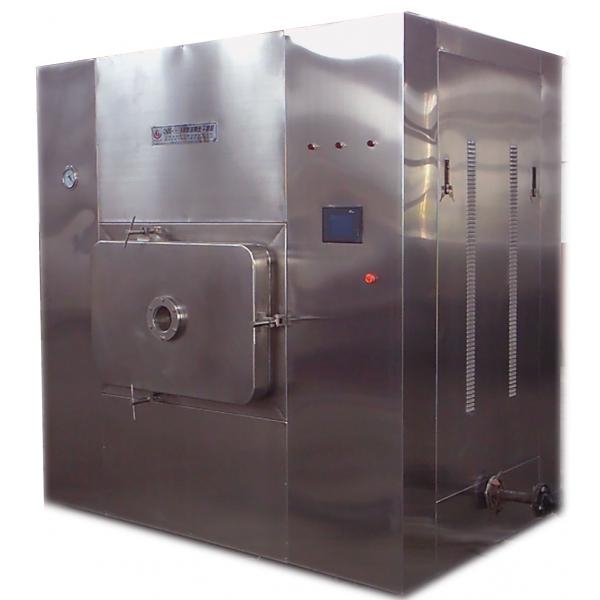
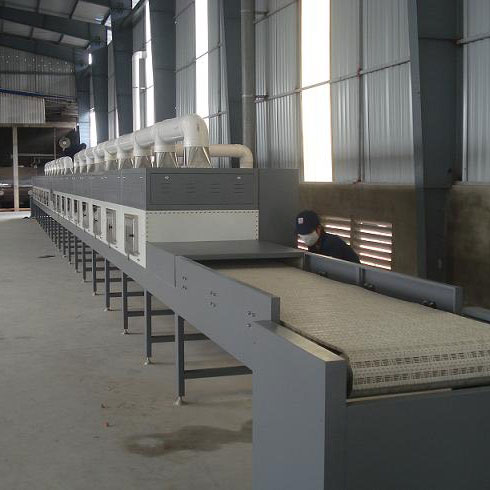
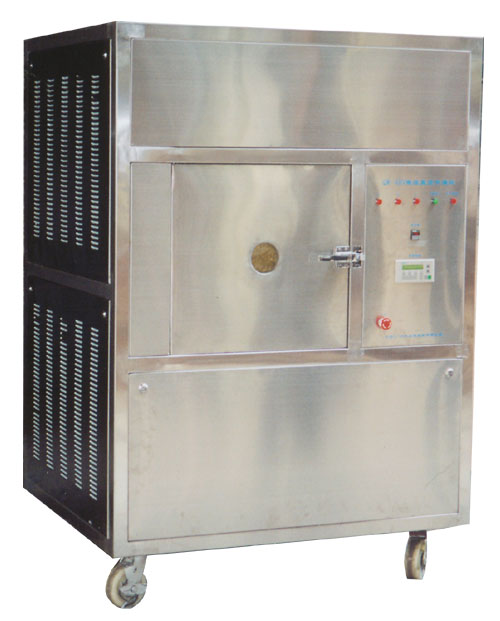
Dryer is a kind of mechanical equipment which uses heat energy to reduce the moisture content of materials and is used for drying objects. Document. write (\) dryer evaporates moisture (usually moisture or other volatile liquid components) from the material by heating to obtain solid materials with specified moisture content. The purpose of drying is to meet the needs of material use or further processing. For example, the wood drying before making wood models and wooden ware can prevent the products from deforming, and the drying of ceramic blanks before calcination can prevent the finished products from cracking. In addition, the dried materials are also convenient for transportation and storage, such as drying the harvested grain to a certain moisture content below, in order to prevent mildew. As natural drying is far from meeting the needs of production development, various mechanized dryers are more and more widely used. In order to save energy, some materials with high moisture content, suspensions or solutions containing solid substances are usually dehydrated mechanically or evaporated by heating, then dried in a dryer to obtain dry solids.
In the drying process, heat and mass (moisture) should be transferred simultaneously to ensure that the wet vapor partial pressure (concentration) on the surface of the material is higher than that in the external space, and that the temperature of the heat source is higher than that of the material.
Heat is transferred from high-temperature heat source to wet material in various ways, which vaporizes and evaporates moisture on the surface of material to the outer space, thus resulting in the difference of wet content between the surface and the interior of material. The internal moisture diffuses to the surface and vaporizes, which reduces the moisture content of the material and gradually completes the overall drying of the material. The drying rate of
P>material depends on the surface vaporization rate and the diffusion rate of internal moisture. Usually the drying rate is controlled by the surface vaporization rate in the early stage of drying; then, as long as the external conditions of drying remain unchanged, the drying rate and surface temperature of the material will remain stable, which is called the constant-speed drying stage; when the moisture content of the material is reduced to a certain extent, the diffusion rate of the internal moisture to the surface will decrease, and the drying rate will be mainly from the inside when the moisture content of the material is lower than the surface vaporization rate. Diffusion rate determines and decreases with the decrease of moisture content. This stage is called slow drying stage.上一篇:Importance of Yam Drying Technology in Yam Powder Processing 下一篇:Drying Technology of Lentinus edodes